
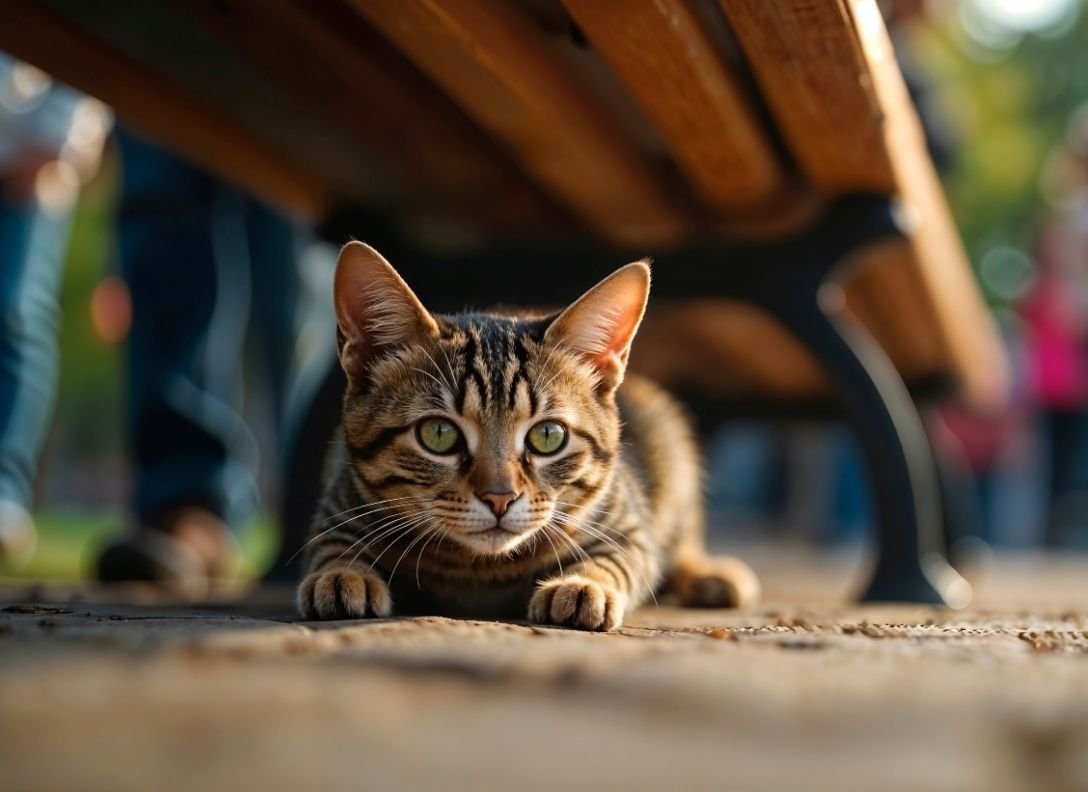
A Shelter Cat can bring companionship, emotional comfort, and a sense of purpose to your home. Discover the benefits of adopting a shelter cat, how to choose the right one, how to help them adjust, and why giving a shelter cat a second chance changes both lives.
Many people believe shelter cats are difficult or unhealthy, but this is a misconception. Shelters perform health checks, vaccinations, temperamental assessments, and rescue work that ensures adoptable cats are ready for loving homes. What you receive is a pet that has been cared for, evaluated, and prepared for adoption — often at a much lower cost than breeders or pet stores.
Why Adopting a Shelter Cat Makes a Real Difference
The first and most powerful reason to adopt a shelter cat is the direct impact you make on an animal’s life. Cats in shelters often experience stress, loneliness, and confusion as they adjust to new environments. By choosing adoption, you give them comfort, stability, and a sense of belonging. It is a decision that gives them a second chance at happiness.
Beyond emotional impact, adoption reduces overcrowding in shelters. Many shelters struggle with limited resources, and when you bring a cat home, you open space for another animal in need. It is an action that supports the entire rescue system and helps create better living conditions for animals waiting for their turn.
Another benefit is cost. Adoption fees usually cover vaccinations, spaying or neutering, deworming, and sometimes microchipping — services that would cost significantly more if done privately. This makes adopting a shelter cat more affordable without sacrificing care or quality.
How to Choose the Right Cat for Your Home
Picking the right Shelter Cat is not just about looks — it’s about personality, energy level, and lifestyle. Shelters usually allow you to spend time with different cats before choosing one. Use this opportunity to understand how each cat behaves. Some cats are social and energetic, others calm and independent.
Think about your daily routine. Are you frequently at home or away? Do you want a playful companion or a quiet, cuddly cat? Matching your lifestyle with the cat’s personality ensures long-term happiness for both of you. Shelter staff can guide you based on your preferences, as they observe the cats every day and understand their traits well.
Also consider age. Kittens require time, patience, and training, while adult cats may already be calm, well-mannered, and house-trained. Senior cats bring even more stability and often form deep bonds due to their gratitude and maturity.
Preparing Your Home for a Shelter Cat
Before bringing a shelter cat home, it’s important to create a safe and comfortable environment. Cats need time to adjust, especially if they have been through difficult or unstable experiences. Start with a quiet space — a separate room with basic essentials is often ideal. Place food, water, a litter box, toys, and a cozy bed where they can feel safe.
Avoid overwhelming them on the first day. Let them explore slowly and approach new spaces at their own pace. Too much attention can cause stress, so it’s best to sit quietly nearby and allow them to come to you when they feel comfortable. Over time, they will begin to trust you, explore more confidently, and feel at home.
Helping a Shelter Cat Adjust During the First Weeks
Adjustment takes time, and patience is key. Do not expect instant bonding or perfect behavior from day one. Some cats may hide or avoid interaction, especially if they are shy or previously mistreated. This is normal. Create predictable routines — feeding, cleaning, and playtime — because cats thrive on structure.
Speak softly and move gently around them. Keep interactions short but positive. Avoid loud noises or sudden changes in the environment. With consistency, your Shelter Cat will begin to show trust, affection, and comfort.
Signs of positive adjustment include:
- Exploring new rooms
- Eating regularly
- Accepting gentle touch
- Playing with toys
- Sleeping openly instead of hiding
Each small sign is progress and shows that your cat feels safe with you.
The Emotional Benefits of Adopting a Shelter Cat
A shelter cat brings emotional warmth into the home. Their companionship reduces stress and loneliness, offering silent comfort during difficult days. Many cats deeply bond with the person who rescued them, forming relationships that feel genuine and fulfilling.
Studies show that petting a cat lowers cortisol levels and improves emotional well-being. Shelter cats, in particular, tend to show affection in meaningful ways because they recognize the change in their circumstances. Their gratitude becomes part of their personality — whether through slow blinks, gentle purring, or curling up beside you at night.
The Practical Advantages You Won’t Get From Breeders
The benefits of adopting a Shelter Cat go far beyond emotional connection. Practically speaking, shelter cats come with several advantages that new buyers often overlook. Their adoption fee is lower than the cost of purchasing a cat, and it usually includes vaccinations, sterilization, and health checks.
Shelter staff also provide background information that helps you understand the cat’s behavior, preferences, and needs. This makes the transition smoother and removes many uncertainties that come with buying pets without history. If the cat requires special care, the shelter lets you know in advance so you can prepare.
How Adoption Helps Reduce Homeless Animal Populations
Every Shelter Cat adopted contributes to lowering the number of stray and homeless cats. Shelters often take in abandoned, lost, or unwanted pets that would otherwise struggle to survive outdoors. Adoption ensures these animals find stability and are not forced into harsh outdoor conditions.
Supporting adoption indirectly supports animal welfare organizations. Your choice helps reduce euthanasia rates in overcrowded shelters and encourages a more responsible approach to pet ownership. This ripple effect is one of the biggest benefits of choosing adoption over purchasing.
Common Myths About Shelter Cats — And the Truth
Misconceptions often prevent people from considering shelter cats. Many believe shelter cats have behavioral issues or health problems, but most of these beliefs are outdated or untrue. Shelters thoroughly evaluate cats before placing them for adoption and provide medical treatment when needed.
Another myth is that shelter cats are older or less affectionate. In reality, shelters house cats of all ages — kittens, adults, and seniors — each with unique personalities. Many of the most affectionate cats come from shelters because they have a strong desire for stability and human connection.
Simple Care Tips to Support Your Shelter Cat’s Health
Taking care of a shelter cat is simple once they feel secure in their new home. Regular feeding, fresh water, clean litter boxes, and safe play spaces form the foundation. Make sure they have scratching posts to protect furniture and toys to keep them mentally stimulated.
Routine checkups with a veterinarian help ensure long-term health. Vaccinations, flea prevention, and dental care are important parts of keeping your cat happy. Providing affection, time, and patience creates a strong bond that lasts a lifetime.
A Heartfelt Choice For You and Your New Friend
Adopting a Shelter Cat is more than a kind gesture — it’s a beautiful exchange of trust, companionship, and love. You give an animal a second chance at safety and happiness, and in return, they fill your life with warmth and emotional comfort. Whether you’re a first-time pet owner or a lifelong animal lover, adopting a shelter cat is a choice that brings lasting joy.Every adopted cat carries a story, and by bringing them home, you become the next and most meaningful chapter of that story. Their gratitude, loyalty, and presence enrich your daily life, making your home feel complete in a way only a rescued pet can.


