
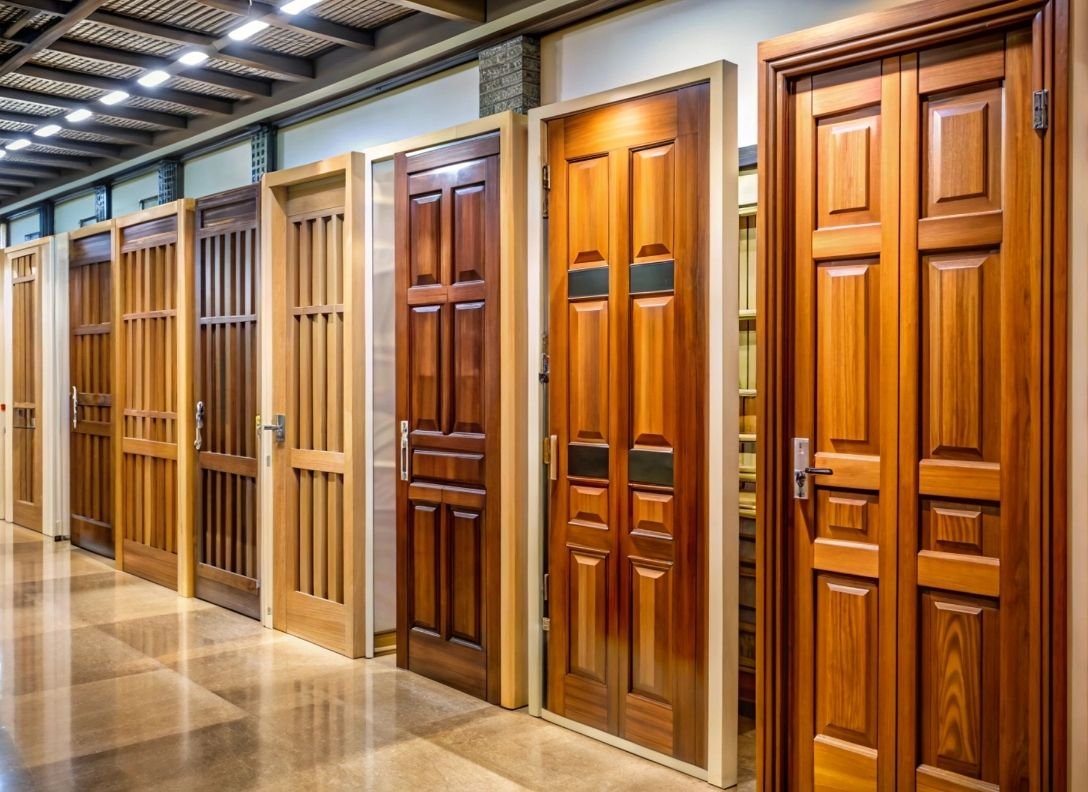
A Second Hand Door can save money, reduce waste, and add character to your home. Learn how to buy, inspect, sell, and creatively reuse second-hand doors for affordable home improvement and sustainable living.
People now look for ways to renovate intelligently, and repurposed materials are becoming the first choice. A Second Hand Door fits perfectly into this new way of thinking. It reduces waste, supports eco-friendly living, and opens the door (literally) to creative interior possibilities. Whether you are buying, selling, or repurposing, understanding the benefits and process helps you make smarter decisions.
Why Second-Hand Doors Are Gaining Popularity
More homeowners and designers are turning to reclaimed materials because they offer affordability, variety, and quality. Older doors are often made from solid wood, which is expensive today and sometimes difficult to source. Buying second-hand gives you access to better materials for a fraction of the price.
Environmental concerns also play a major role. When doors are reused instead of discarded, it reduces landfill waste and minimizes the demand for new timber. This makes second-hand options appealing to people focused on sustainable living. Additionally, second-hand doors have unique designs that aren’t available in modern stores, giving homes a more personalized touch.
Why they’re in demand:
- Lower cost compared to new doors
- Stronger and longer-lasting materials
- Reduced environmental impact
- Immediate availability
- Unique vintage and classic styles
How to Choose a Quality Used Door
Selecting the right door begins with accurate measurements. Measure both the door frame and the existing door to ensure the second-hand option will fit properly. Once you have the correct dimensions, focus on material. Solid wood, hardwood, and metal doors are durable choices that withstand repairs well.
Inspect the door carefully for structural strength. Look at the edges, hinges, corners, and surface. Minor scratches or dents are normal and repairable, but deep cracks, rot, or severe warping can affect performance. If the door includes hardware, check whether it still functions smoothly. Understanding these details will help you buy a door that lasts long after installation.
Where to Find Affordable Pre-Owned Doors
The best places to find used doors depend on your budget, style preferences, and the type of door you need. Salvage stores often carry a wide selection of reclaimed building materials, including strong solid wood doors from older homes. These shops usually inspect items before selling them, giving you added confidence.
Online marketplaces provide another convenient option. Sellers often post multiple photos, allowing you to check the design and condition before visiting. Contractors, demolition companies, and homeowners completing renovations frequently sell high-quality doors at low prices. Visiting in person helps you assess the weight, material, and build quality more accurately.
Common sources include:
- Salvage and reuse centers
- Classified ads and online marketplaces
- Renovation contractors
- Hardware recycling shops
- Local community groups
Selling Old Doors for Extra Value
If you’re renovating, don’t discard your old doors — someone else may be looking for exactly what you have. Selling second-hand doors is a simple way to recover part of your renovation cost. Clean the door, repair any minor flaws, and take clear photos from different angles. List details such as size, thickness, material, and condition.
Buyers appreciate transparent descriptions. If the door has scratches or needs repainting, mention it honestly. Solid wood, paneled doors, glass doors, and antique styles usually attract the highest offers. You can sell the door faster by offering additional items such as hinges, locks, or frames.
Creative Home Uses for Reclaimed Doors
One of the most exciting aspects of reusing old doors is the creative potential. A reclaimed door doesn’t have to stay a door — it can become a centerpiece of your interior design. DIY enthusiasts often turn old doors into coffee tables, shelves, sliding barn doors, headboards, or even decorative wall art.
Vintage wooden doors bring charm and character to modern spaces. Glass-paneled doors make elegant room dividers or pantry entrances. With a bit of imagination, a door that might have been thrown away becomes a stylish, functional piece of furniture that stands out in your home.
How to Inspect a Door Before Buying
Inspection is crucial when buying second-hand. Start by checking for warping. Place the door on a flat surface or against a wall — if it bends or does not sit evenly, it may cause alignment issues during installation. Next, examine the door for moisture damage, especially near the bottom where contact with water is common.
Look at the hinge areas and lock space to ensure they aren’t cracked or weakened. Tap the door gently: a solid door will sound firm, while a hollow one will feel lighter and echo. Hollow doors are cheaper but less durable. If the door includes glass sections, ensure there are no cracks or loose panels. A thorough inspection helps you avoid costly repairs later.
Restoring and Refinishing Old Doors
One of the biggest advantages of using reclaimed doors is the ease of restoration. Old doors often regain their beauty with just a bit of effort. Start by cleaning the surface to remove dirt and dust. Sanding helps remove old paint, scratches, or uneven patches. Once smooth, you can repaint, varnish, or stain the door depending on your preferred style.
If the door has minor dents or holes, wood filler works well. After drying and sanding again, the door looks almost new. Replacing outdated handles and hinges can transform its appearance completely. With restoration, you get a premium-looking door at a fraction of the cost of buying new.
Environmental Benefits of Choosing Reused Materials
Choosing second-hand options reduces the environmental impact associated with manufacturing new materials. A Second Hand Door keeps usable products out of landfills and cuts down the demand for fresh timber, energy, and chemicals used in production. This supports a circular economy — where materials are reused and repurposed instead of discarded.
Reusing doors also preserves architectural history. Many older doors come from buildings with craftsmanship that is nearly impossible to replicate today. Bringing them into your home helps maintain a sense of character and heritage.
The Best Reasons to Go Second-Hand
Second-hand doors offer a rare combination of savings, durability, and style. Whether you’re buying, selling, or transforming old doors into new décor, the possibilities are extensive and practical. With proper inspection and a little creativity, a Second Hand Door becomes more than a reused item — it becomes a valuable addition to your home. Choosing second-hand supports sustainability, lowers renovation costs, and gives you access to unique pieces that enhance your space beautifully.


