
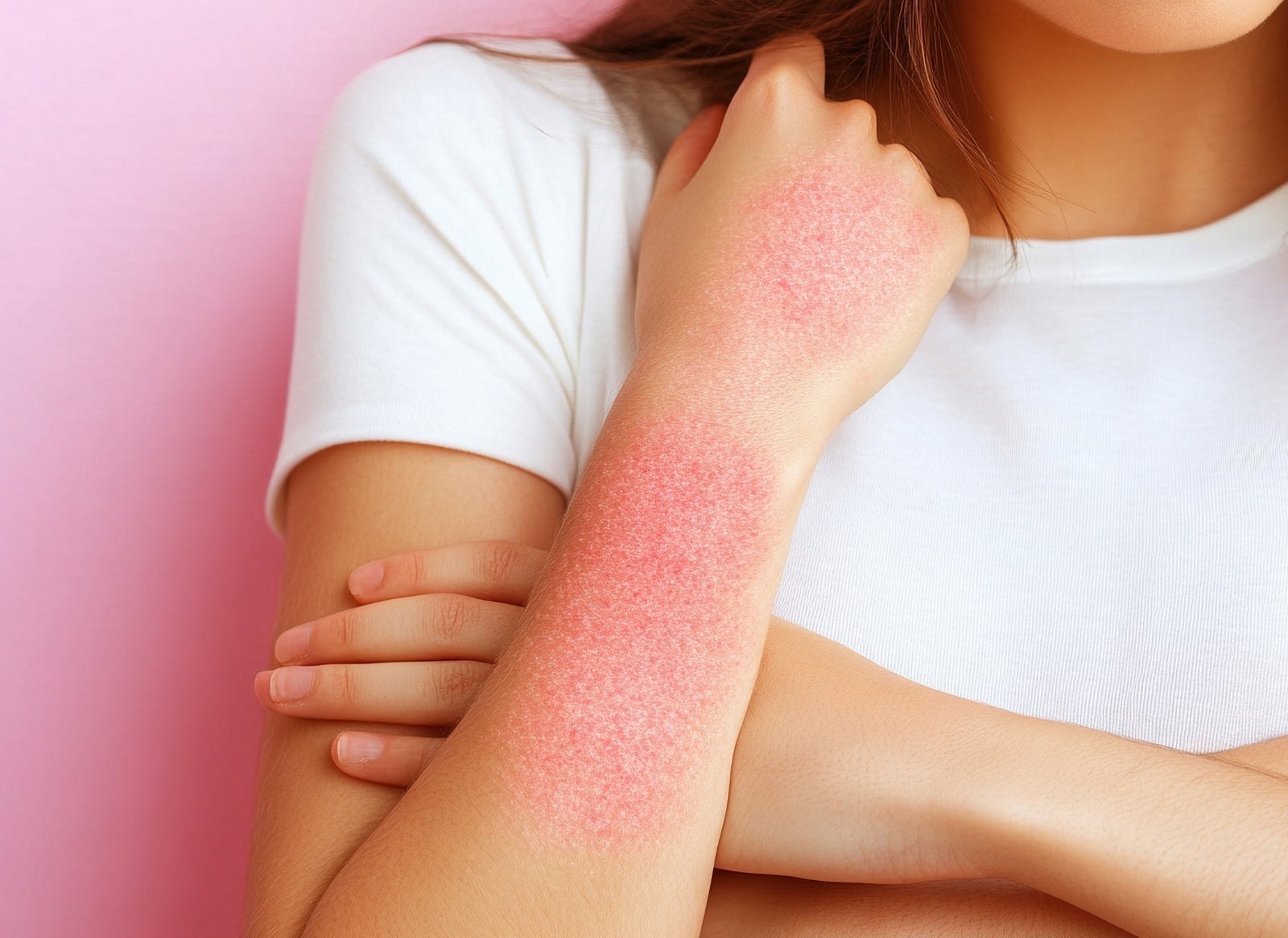
Eczema is a chronic skin condition where the skin barrier doesn’t work the way it should. Instead of protecting the skin from irritation, allergens, and moisture loss, a weak barrier becomes more reactive and sensitive. This leads to redness, itching, dryness, inflammation, and recurring flare-ups that can last for days or weeks. Many people think eczema is just dry skin, but it is far more complex and requires targeted care, consistency, and gentle routines.
What makes eczema more challenging is that the skin reacts differently from person to person. A moisturizer that works for one individual can worsen irritation in another. Heat, cold, stress, sweat, fabrics, skincare products, or even the wrong detergent can suddenly provoke a flare. Because of this, managing eczema isn’t about layering products it’s about choosing fewer, safer, and more effective ones that heal and protect the skin barrier.
Signs Your Skin Is Eczema-Prone (Not Just Dry)
Eczema often begins subtly, making it easy to mistake for sensitivity or seasonal dryness. But eczema-prone skin behaves differently, reacting quickly to touch, temperature, or products, and staying inflamed longer than normal skin would. Regular dryness improves with moisturizers, while eczema persists or even worsens without barrier-focused care.
Common signs include:
- Skin tingles, burns, or turns red after applying products
- Dry patches stay rough despite frequent moisturizing
- Sweat, fabrics, or weather changes cause itching
- Rashes reappear every few weeks in the same spots
- Shower water causes tightening, stinging, or redness
Everyday Triggers You Might Not Notice
The most surprising eczema triggers are often part of normal daily routines. Many people assume food or weather is the main cause, but most flare-ups are triggered by repeated contact exposure to irritants. Even products labeled “natural” or “gentle” can inflame eczema if the formula contains active scent compounds or stripping agents.
Common triggers include:
- Soaps, perfumes, hand washes, and scented lotions
- Laundry detergents, fabric softeners, dryer sheets
- Synthetic fabrics, tight clothing, wool, and polyester
- Dust, air pollution, AC dryness, and humidity imbalance
- Sweat left on skin after exercise or heat exposure
Ingredients to Avoid in Skincare and Body Care
When your skin barrier is compromised, certain ingredients that are safe for normal skin can cause burning, inflammation, or micro-damage. Some formulas cause instant reactions, while others irritate the skin slowly over time, making it harder to pinpoint the cause. If a product contains strong actives, fragrance, or mild exfoliants, it may disrupt sensitive eczema-prone skin further.
Avoid products with:
- Fragrance, parfum, essential oils, aromatic extracts
- Alcohol (SD alcohol, ethanol, denatured alcohol)
- Sulfates (SLS, SLES), heavy foaming cleansers
- Retinoids, exfoliating acids, scrubs during flare-ups
- Menthol, eucalyptus, mint, artificial cooling agents
Skin-Safe Ingredients That Repair and Protect
Healing eczema isn’t about drying out irritation, it’s about restoring what the skin is missing. The best formulas don’t tingle or feel active. Instead, they work quietly to rebuild the skin barrier, seal moisture in, and calm inflammation without overwhelming sensitive skin.
Look for products containing:
- Ceramides (restores the barrier)
- Colloidal oatmeal (reduces itch and redness)
- Glycerin (draws humidity into the skin safely)
- Hyaluronic acid (hydrates without irritation)
- Petrolatum or shea butter (locks moisture gently)
- Zinc oxide (soothes inflamed areas)
Simple, Safe, and Effective Eczema Routine
The goal of an eczema routine isn’t to use more products, but to reduce irritation and protect the natural barrier. Many people damage their skin by switching products too frequently or layering multiple actives. A calm, predictable, fragrance-free routine delivers far better results.
Daily routine:
- Use a non-foaming, cream-based cleanser
- Pat skin dry gently, leaving slight moisture
- Apply moisturizer immediately to seal hydration
- Add a healing ointment on dry or itchy patches
Shower Rules for Sensitive, Irritated Skin
Eczema reacts strongly to water temperature, pressure, and cleansing agents. Long or hot showers strip natural oils from the skin, creating micro-tears in the barrier and increasing itch afterward. Small changes in your shower routine can reduce irritation significantly.
Follow these rules:
- Keep water lukewarm, never hot
- Limit shower time to 5–8 minutes
- Avoid loofahs, scrubs, or harsh washcloths
- Apply moisturizer within 3 minutes after bathing
How to Choose the Right Products Every Time
Many skincare brands promise hydration, glow, and gentle formulas, but eczema skin needs more than marketing claims. The safest products are designed for atopic, sensitive, and barrier-compromised skin. If a label highlights scent, instant glow, or exfoliation, it is not eczema-focused.
Pick products that are:
✔ Fragrance-free
✔ Alcohol-free
✔ Minimal-ingredient formula
✔ Dermatologist-approved for sensitive skin
✔ Non-foaming and non-drying
Clothing, Laundry, and Daily Skin Contact
Eczema skin reacts to more than lotions it reacts to friction, fabric texture, detergents, and sweat sitting on the skin. Even after treatment, flare-ups return if daily contact irritants aren’t adjusted. Clothing and laundry habits play a huge role in long-term control.
Do this:
- Wear cotton or soft breathable fabrics
- Switch to free-and-clear mild liquid detergents
- Rinse laundry twice to remove residue
- Keep sweaty clothes off the skin for long
Avoid:
- Wool, acrylic, polyester
- Fabric softeners or dryer sheets
- Tight elastic or rough texture clothing
Sunscreen and Makeup Guidelines for Eczema
Sunscreen and makeup often irritate eczema not because they are harmful, but because most are not formulated for impaired barriers. Chemical sunscreens, strong cleansers, and waterproof makeup can worsen inflammation by forcing frequent rubbing and scrubbing during removal.
Safe options include:
- Mineral sunscreens (zinc oxide, titanium dioxide)
- Cream-based gentle foundations or tinted balms
- Micellar water or milk cleansers for makeup removal
Avoid:
- Spray sunscreens with alcohol
- Waterproof or long-wear makeup
- Harsh foaming removers
How to Tell If a Product Is Harming You
Sometimes reactions aren’t dramatic, but gradual. A product might make the skin slightly tighter, drier, or itchier days later, and the connection is often missed. Monitoring your skin for patterns helps identify what isn’t working.
Stop using the product if:
- Skin stings or burns upon application
- Redness increases instead of calming
- You feel “micro-itching” hours later
- Small bumps or inflammation appear
- Dryness worsens instead of improving
Supportive Habits That Reduce Flare Frequency
Healing eczema also means removing triggers beyond skincare. Simple adjustments around your environment and routine create a protective buffer for your skin barrier.
Helpful additions:
- Use a humidifier to reduce indoor dryness
- Keep nails trimmed to prevent skin damage
- Cold compress itch instead of scratching
- Shower after sweating or outdoor exposure
Can Eczema Skin Truly Heal?
Eczema is chronic, so the skin may always be sensitive, but that does not mean it cannot improve. Many people reach a stage where flare-ups become rare, milder, or seasonal. Healing happens when the skin is supported consistently without sudden product switches or aggressive treatments.
Eczema skin doesn’t need constant change it needs calm, repetition, and protection. Less intervention and more repair-focused care always performs better than experimentation. Eczema is not a reflection of weak skin it is a signal that your barrier needs protection, not correction. The journey to managing it becomes easier when you stop chasing perfect products and start prioritizing safe, simple habits that shield your skin daily. Healing doesn’t happen overnight, but irritation reduces the moment the right routine begins.
If your skin reacts to most products and flare-ups disrupt your comfort, consider switching to a dermatologist-guided barrier repair routine. The right care can change how your skin feels every day.
Disclosure: If this page mentions or links to specific products, these are for general information only. They are not a substitute for medicines or treatment prescribed by your own doctor. Always consult a healthcare professional before starting, stopping, or changing any medication.


