
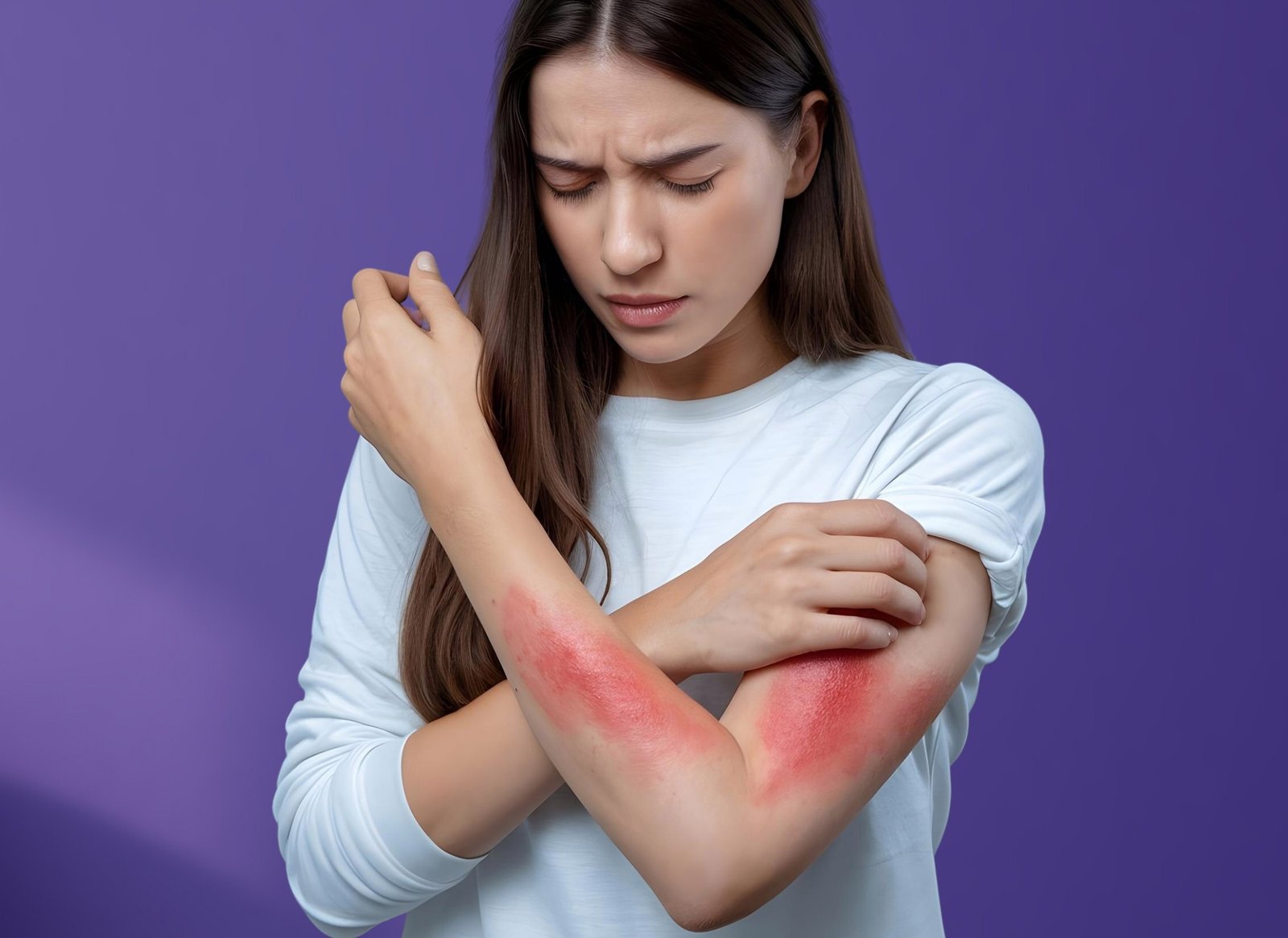
Eczema, also known as Atopic Dermatitis, is a long-term skin condition that affects millions of people worldwide. It causes the skin to become dry, inflamed, itchy, and irritated. Many people confuse eczema with seasonal dryness, but it is much more than that. It is a chronic condition in which the skin barrier does not function properly, leading to frequent flare-ups and sensitivity to everyday triggers like weather, fabric, sweat, or certain products.
This condition can begin in childhood or adulthood and may come and go in cycles. Some people experience occasional flare-ups, while others deal with symptoms almost daily. The constant itching, dryness, and redness can interfere with sleep, confidence, and daily life. While eczema cannot be permanently cured, it can be effectively managed with the right medical care, skin routine, and lifestyle habits.
What Causes Eczema?
Eczema happens when the immune system overreacts to certain triggers and the skin loses its ability to protect and retain moisture. This results in inflammation, dryness, and sensitivity. People with eczema often have a weaker skin barrier, meaning irritants and bacteria can enter the skin easily. The exact cause isn’t fully understood, but there are strong links to genetics, immunity, and environmental factors.
Even though eczema isn’t dangerous or contagious, it can create long-term discomfort and unpredictable flare-ups. It often runs in families, especially when parents or siblings also have eczema, asthma, or allergies.
Major causes include:
- Genetic link or family history
- Weak skin barrier function
- Overactive immune system
- Environmental and lifestyle triggers
Common Symptoms of Eczema
Eczema symptoms are different from normal dry skin. The skin becomes more reactive, itchy, and prone to inflammation. The intensity of symptoms can vary from mild dryness to severe irritation. Some people experience symptoms only during certain seasons, while others face it throughout the year.
Itching is usually the first symptom and can become worse at night. Constant scratching may cause the skin to break, bleed, or develop infections if not treated properly.
Most common symptoms include:
- Dry, itchy, and sensitive skin
- Red or inflamed patches
- Rough, scaly texture
- Swelling or mild skin cracking
- Oozing or crust in severe flare-ups
Different Types of Eczema
1. Atopic Dermatitis
This is the most common type, often starting in childhood. It causes dry, itchy rashes on the face, hands, knees, and elbows. Flare-ups can worsen due to stress, weather changes, sweat, and allergens. Many people with atopic dermatitis also have allergies or asthma.
2. Contact Dermatitis
This type occurs when the skin comes in contact with something irritating or allergenic. Even gentle products like soaps, perfumes, metals, detergents, or certain fabrics can trigger it. Symptoms appear quickly after exposure and include redness, itching, and irritation.
3. Dyshidrotic Eczema
This condition mostly affects the palms, soles, and sides of fingers. It forms small fluid-filled blisters that cause intense itching and discomfort. Sweat, humidity, or stress can be major triggers.
4. Nummular Eczema
Round, coin-like irritated patches appear on the skin. These can ooze, crust, and become very itchy. Cold weather and dry skin can worsen this type significantly.
5. Seborrheic Dermatitis
This type mostly affects oily areas like the scalp, nose, eyebrows, and upper chest. It causes redness, flaking, and dandruff-like patches, and may worsen during seasonal changes.
Top Triggers That Cause Flare-Ups
Eczema flare-ups are often triggered by substances or conditions that irritate or dry the skin. Triggers can vary from person to person, and sometimes even minor changes can cause the skin to react. Understanding these triggers is essential to prevent frequent flare-ups.
Common eczema triggers include:
- Cold, dry weather or sudden climate changes
- Dust, pollen, and pollution
- Harsh soaps, fragrances, and chemicals
- Sweat and hot showers
- Wool, polyester, or rough fabrics
- Stress and lack of sleep
How Doctors Diagnose Eczema
There is no single lab test to diagnose eczema. Doctors assess the skin visually and evaluate medical history, symptoms, and family history. In some cases, allergy tests or patch tests may be done to identify specific irritants. The diagnosis often depends on symptom patterns and how the skin responds over time.
Diagnosis includes:
- Checking family health background
- Examining skin appearance and patterns
- Identifying potential allergens or irritants
- Observing itching intensity and flare frequency
Medical Treatments for Eczema
Treatment depends on the severity and frequency of flare-ups. For mild symptoms, moisturizing and trigger control may be enough. Moderate to severe eczema may require medicated creams or therapies to reduce inflammation and repair the skin barrier.
Common treatment options include:
- Topical corticosteroid creams to reduce inflammation
- Calcineurin inhibitors for sensitive areas like the face
- Antihistamines to reduce itching and improve sleep
- Phototherapy (UV light treatment) for persistent eczema
- Biologic injections for severe chronic cases
Daily Skin Care Practices That Help
Managing eczema requires consistency more than complexity. A gentle daily skin routine can help protect the barrier and prevent flare-ups. The focus should be on hydration, gentle cleansing, and minimizing irritation.
Best practices include:
- Use gentle, fragrance-free cleansers
- Avoid long hot showers
- Pat skin dry; don’t rub
- Apply moisturizer within 3 minutes of bathing
- Use ointments to lock in moisture
Foods That May Help or Worsen Eczema
While food is not the main cause, inflammation from certain foods can contribute to flare-ups in some individuals. Every person responds differently, so tracking reactions can help identify what works best.
Foods that may help:
- Omega-3 rich fish (salmon, sardines)
- Nuts and seeds
- Green leafy vegetables
- Turmeric and ginger
- Hydrating fruits
Foods that may trigger flare-ups:
- Dairy (in some cases)
- Spicy foods
- Processed snacks
- Sugary drinks
- Gluten (for certain individuals)
Clothing and Lifestyle Tips
Fabrics and daily habits play a huge role in skin comfort. Soft, breathable clothing allows the skin to breathe, while rough or synthetic materials can trap sweat and worsen irritation. Washing routines also matter, as detergent residue on clothes can trigger reactions.
Do’s:
- Wear cotton or soft fabrics
- Wash clothes with mild, fragrance-free detergents
- Rinse laundry twice if needed
- Keep nails short to prevent skin damage from scratching
Don’ts:
- Avoid wool, nylon, and polyester
- Avoid fabric softeners and strong detergents
- Avoid overheating or excessive sweating
When to See a Doctor Immediately
If eczema symptoms suddenly worsen, it could indicate infection or a reaction that needs medical attention. It’s important not to delay treatment in these cases.
See a doctor if you notice:
- Yellow crust or pus formation
- Bleeding from cracks or excessive scratching
- Fever along with flare-ups
- Painful swelling or sudden symptom change
Can Eczema Be Cured?
There is no permanent cure, but eczema can be controlled effectively with proper care, lifestyle changes, and medical treatment. Many people go through long remission periods where symptoms reduce significantly or disappear for months. With the right combination of skincare, trigger management, and medical support, eczema can shift from being overwhelming to manageable. Eczema doesn’t define you, even though it can sometimes feel like it controls your routine, comfort, and mood. Understanding your skin, avoiding triggers, and following a steady care plan are the biggest steps toward long-term relief. Every small habit change can make a big difference over time. Healing doesn’t need to be instant, it just needs to be consistent.
If eczema is affecting your comfort, confidence, or sleep, consider speaking to a dermatologist to build a plan that works for your skin. Early support can prevent severe flare-ups and improve your daily quality of life.
Disclosure: If this page mentions or links to specific products, these are for general information only. They are not a substitute for medicines or treatment prescribed by your own doctor. Always consult a healthcare professional before starting, stopping, or changing any medication.


